Food storage is a cornerstone of long-term survival preparation. Whether you're preparing for natural disasters, economic collapse, or simply looking to become more self-sufficient, building a reliable stockpile of food ensures that you and your family have sustenance when grocery stores are inaccessible, providing a sense of security and reassurance.
However, storing food for the long term isn't just about quantity. It's about storing it properly to maintain freshness, nutrition, and safety over time. With the right approach, your stored food can last for years and be ready whenever needed..
One of the most important principles of food storage is to store what you eat and eat what you store. This means building your stockpile around foods already part of your regular diet.
When you store foods you and your family are used to eating, you reduce waste and simplify the process of rotating your stockpile. Regularly consuming and replacing stored food ensures you’ll always have fresh, familiar items on hand, rather than facing the challenge of adjusting to unfamiliar or undesirable meals during an emergency.
Start by making a list of shelf-stable foods that are part of your daily or weekly routine, such as canned vegetables, pasta, rice, and beans. Over time, you can build up your stockpile of these items to create a rotation system where the oldest food is used first, and new purchases go to the back of the pantry.
In addition to storing familiar foods, it's crucial to choose foods with a long shelf life. Not all food products are designed to last for years, and improper storage can lead to spoilage, wasted money, and dangerous health risks.
The best foods for long-term storage are those with high stability and resistance to spoilage. Staples like rice, beans, lentils, and oats can last decades if stored properly.
Canned goods, freeze-dried meals, and dehydrated foods also have extended shelf lives, making them excellent choices for a survival stockpile. It's important to periodically check for dents, rust, or bulging when storing canned goods, as these can indicate that the food inside has been compromised.
A key factor in food storage is controlling the storage environment. Temperature, humidity, and light are the biggest threats to the longevity of your food. Food should be stored in a cool, dry, and dark space.
High temperatures can cause food to spoil more quickly, while humidity can lead to mold growth or the degradation of packaging materials. Storing food in airtight containers is essential for protecting it from moisture and pests.
Mylar bags, paired with oxygen absorbers, are an excellent option for long-term storage. These materials block out light and air, both of which can shorten the shelf life of food. For foods like grains and pasta, storing them in food-grade plastic buckets with tight-fitting lids adds another layer of protection against moisture and pests.
When it comes to storing large quantities of food, diversification is key. Having a variety of foods in your stockpile ensures you’re getting a range of nutrients and prevents meal fatigue.
Eating the same foods repeatedly can lead to a lack of essential vitamins and minerals. Over time, the monotony can take a psychological toll, especially in high-stress survival situations.
Diversify your stockpile by including canned meats, vegetables, fruits, grains, spices, and seasonings to keep meals flavorful. Don’t forget about protein sources—beans, lentils, and canned meats are excellent options for long-term protein storage. If you have the means, freeze-dried meat or powdered eggs can add valuable nutrition to your stockpile without taking up much space.
Another essential tip is to focus on proper rotation. Even though many foods can last for years, practicing a first-in, first-out (FIFO) rotation system is important. This means that when you add new food to your stockpile, you place it behind the older items, ensuring that the oldest food is used first.
Proper rotation minimizes waste by reducing the chance of items expiring or becoming unusable. Establish a regular schedule to check your food stores, whether monthly or quarterly, to ensure everything is still in good condition. When rotating your stockpile, be mindful of expiration dates, but remember that many foods are still safe to eat well beyond their printed "best by" date if stored properly.
Preserving your food can be a game-changer for those serious about long-term survival. While store-bought canned goods and freeze-dried meals are convenient, home preservation techniques allow you to stock up on foods that are more nutritious, cost-effective, and tailored to your preferences.
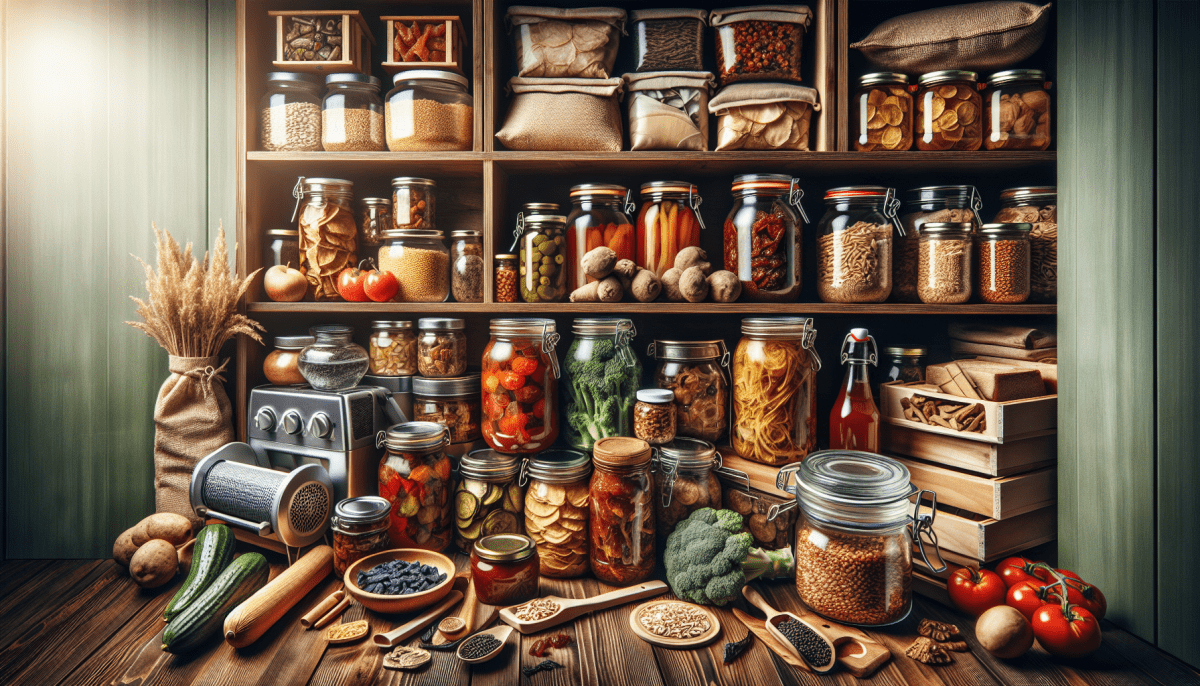
Canning, dehydrating, and fermenting are all excellent methods for preserving food. Canning is particularly useful for preserving fruits, vegetables, and meats, which can be stored for several years when appropriately sealed in glass jars.
Dehydrating reduces the moisture content of food, making it lighter and less prone to spoilage. Fruits, vegetables, and jerky can be dehydrated at home and stored in airtight containers for long-term use. While less common, fermenting is another way to preserve vegetables while adding beneficial probiotics to your diet.
Another often-overlooked aspect of long-term food storage is storing a balanced variety of food groups. While grains and carbohydrates are the backbone of many stockpiles due to their long shelf life and caloric density, you must also store foods that provide essential vitamins, minerals, and fats. Including a mix of dried fruits, vegetables, nuts, seeds, and oils ensures your body gets the nutrients it needs.
Fats are particularly important, as they provide energy and support overall health, but they can be more challenging to store long-term because they go rancid quickly. Consider storing shelf-stable oils like coconut or ghee, which last longer than traditional vegetable oils.
Finally, don’t forget to plan for special dietary needs. If anyone in your household has allergies, sensitivities, or specific nutritional requirements, ensure your stockpile reflects those needs.
Gluten-free grains, lactose-free dairy alternatives, and sugar-free foods are all available in shelf-stable formats. It’s essential to tailor your food storage plan to your family's needs, ensuring that everyone has access to safe and nutritious meals during an emergency.
Long-term food storage requires careful planning, attention to detail, and consistent maintenance, but the reward is peace of mind. Knowing that you have a reliable food supply ready for any situation allows you to focus on other survival aspects, like shelter, security, and water.
By storing familiar foods, diversifying your stockpile, maintaining the proper storage conditions, and practicing regular rotation, you ensure your food remains safe, fresh, and ready when needed.