When prepping, having the correct type of water is super important. You need to ensure you have a sustainable and safe source of hydration. Here are some of the best types of water to consider for your prepper supplies.
1. Bottled Water: This is the easiest and most convenient choice. Just grab a case from the store, and you're set. It has a long shelf life and is usually sealed well to keep contaminants out. Look for options with an expiration date, but they can last much longer if stored correctly.
2. Filtered Water: Using a water filter can be a game-changer if you can access a clean source. Filters remove nasty stuff like bacteria and sediment, making regular tap water safer to drink. Plus, you can refill your supplies on the go, which is handy.
3. Rainwater: Collecting rainwater is a great way to conserve resources. Just make sure you use clean containers and have a filtration system ready. It's eco-friendly and can provide a good backup supply when needed.
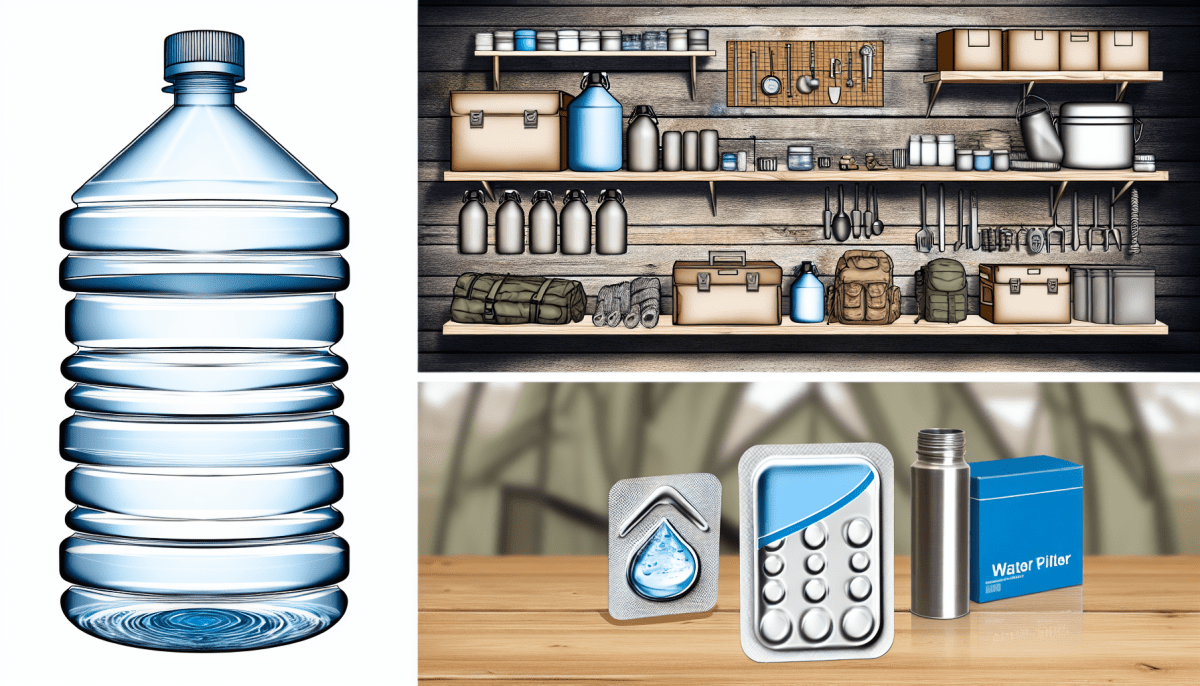
4. Water Storage Containers: These come in all shapes and sizes. From 5-gallon jugs to 55-gallon barrels, having a few suitable storage containers on hand helps you stock up. Remember to choose food-grade containers to keep your water as pure as possible.
How to Store Water Safely
Storing water safely is crucial, especially when preparing for emergencies. Here are some simple tips to help you keep your water supply clean and ready to go.
Choose the Right Container: Use food-grade plastic or glass containers for water storage. Avoid using old soda bottles or milk jugs, as these can break down over time and may leach harmful chemicals. A good option is to use BPA-free containers that can hold a gallon or more.
Clean and Sanitize: Before filling your containers, make sure they are clean. Wash them with soap and water, then rinse them well. To sanitize, you can use a solution of one teaspoon of unscented liquid chlorine bleach per quart of water. Swirl it around, let it sit, then rinse again.
Store in a Cool, Dark Place: Heat and light can cause water to degrade more quickly. Ideally, find a cool, dark spot in your garage or basement. Ensure the containers are off the ground to avoid moisture from the floor.
Check and Rotate: Check your water supply every six months. If you store tap water, replace it every six months to be safe. Mark the containers with the date you filled them to help you keep track.
Water Purification Methods You Should Know
Clean water is non-negotiable when it comes to prepping. Knowing how to purify water can be a lifesaver in an emergency. Let's explore some effective methods to add to your prepper supplies.
1. Boiling
Boiling water is one of the simplest and most reliable methods. Just bring water to a rolling boil for at least one minute. If you're at higher altitudes, aim for three minutes. It kills bacteria, viruses, and parasites, making it a favorite among preppers.
2. Water Filters
Investing in a good water filter can boost your survival game. There are portable filters available that remove contaminants while being easy to carry. Look for features like:
- Size and weight for easy transport
- Filtration capabilities (like removing bacteria and protozoa)
- Durability for outdoor use
3. Chemical Purification
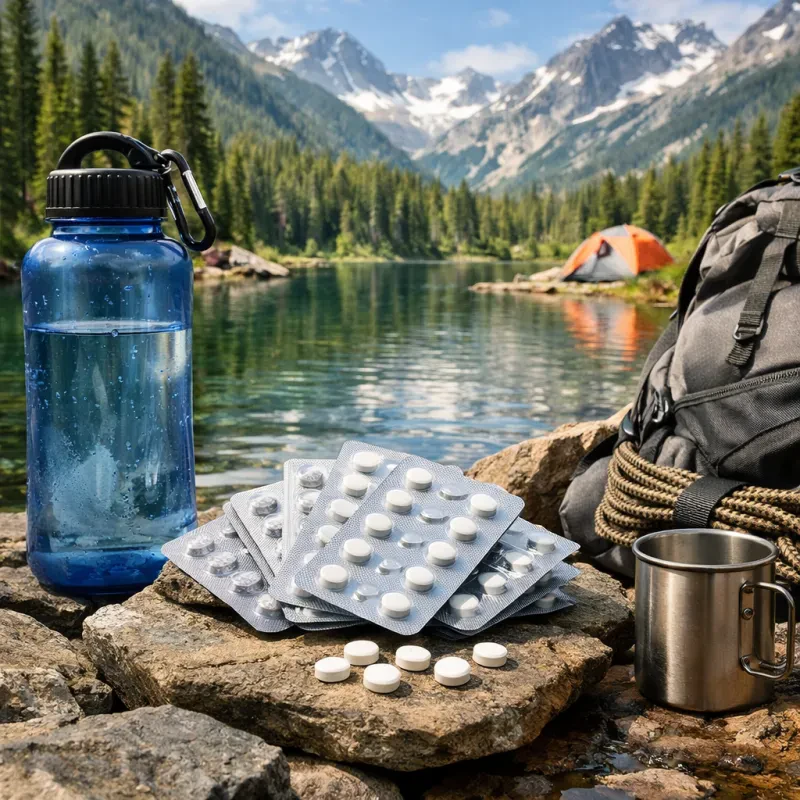
Tablets or droplets of chemicals like iodine or chlorine dioxide offer a lightweight solution for purifying water. They work well in emergencies but follow the instructions closely. Just in case, having a few of these in your prepper kit is a good idea.
4. UV Light Purification
Using a UV light purifier is a high-tech yet straightforward option. These devices use UV rays to kill off germs. They're usually quick and don't require chemicals, but they need batteries or a power source, which is worth considering for your prepping plans.
Essential Gear for Water Access
When prepping for any situation, having the right gear to access water is super important. Water is essential for survival, and having tools that make it easy to gather and store can make a huge difference. Here are some must-have items to consider for your water access kit:
- Water Filtration System: A compact filter can turn murky water into clean drinking water. Look for systems that filter out bacteria and protozoa and ensure they're easy to use in the field.
- Collapsible Water Containers: These are perfect for storing water without taking up too much space. They're lightweight, and when you need them, they're ready to hold whatever you've collected.
- Canteen or Water Bottle: A durable, reusable water bottle is crucial. Choose an insulated one to keep your drinks cold or hot. Just make sure it's made from safe materials.
- Emergency Water Pouches: These are single-serve pouches of purified water that can be stored for long periods. They're handy in emergencies when you need a quick drink without fussing over filtration.
- Water Purification Tablets: Small but mighty, these tablets can make questionable water safe to drink. Drop them in your water container and wait for them to do their magic.
With these essentials, you're more prepared to face any situation that may come your way. Accessing clean water doesn't have to be complicated. Pack the right tools, and you'll feel more ready for whatever happens!